
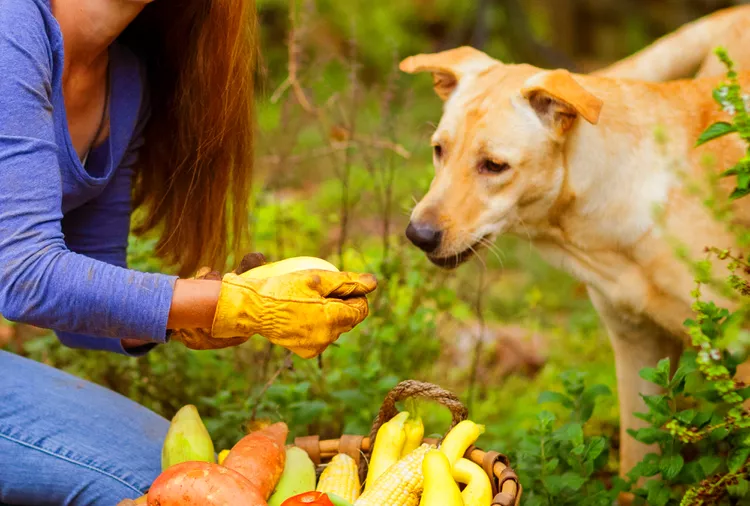
A lot of dogs really enjoy chomping on fruits and vegetables. So, the next time you’re preparing dinner, you may find yourself wondering—can dogs eat squash? Luckily, dogs don’t have to sit this one out. Learn how to share squash with your pup.
Can Dogs Eat Squash?
Squash comes in a lot of varieties, and luckily for your dog, most of these are safe! Types of squash you can safely feed your dog include zucchini, pumpkin, spaghetti squash, yellow squash, butternut squash, and acorn squash.
No matter which variation you choose, washed, cooked squash is the safest option for your dog. The stems, skins, and seeds can be choking hazards or potentially cause a blockage in the stomach or intestines. Stick to the flesh of this fruit if you're planning to feed squash to your dog.
Nutritional Benefits of Squash for Dogs
Some nutritional benefits of squash for dogs include:
- Good source of fiber: Canned pumpkin is commonly used to soothe gastrointestinal upset. The fiber in the squash or pumpkin can help to bulk up the fecal material in a dog experiencing loose stools.
- Low-calorie treat: For dogs who are overweight, squash may be a good low-calorie treat. Feeding your dog appropriate quantities of squash is unlikely to contribute to obesity.
- High in vitamin A and potassium: Potassium and vitamin A are just a few nutrients squash is known for.
Warning
If you want to feed canned pumpkin to your dog, make sure it’s plain pumpkin. Pumpkin pie filling is not safe for dogs. Additionally, do not feed your dog any pumpkin items that contain the sugar substitute xylitol, which is toxic to dogs.
How to Prepare Squash for Dogs
- Wash: Make sure to wash the squash before further preparing it.
- Peel: Peel off any tough skin or rind, as these are not dog-safe parts of the squash.
- Chop or scoop: Chop or scoop the squash (depending on variety) into bite-sized pieces to reduce choking risk.
- Cook: Options include baking or sautéing. Make sure to not add any salt, spices, or oils to the squash.
For feeding guidelines, Small dogs can have 1-2 teaspoons of squash per day. Larger dogs can have 1-3 tablespoons per day.
Potential Risks and Considerations
If you give your dog too much squash, you could impact their nutritional balance. At least 90% of your dog’s daily caloric intake needs to come from their well-balanced, nutritionally complete diet that meets guidelines set by the Association of American Feed Control Officials (AAFCO). Make sure to speak with your veterinarian if you plan to change your dog’s diet.
Additionally, although most food allergies in dogs occur due to the protein source in the food, it’s possible for a dog to be allergic to squash. Symptoms of a food allergy include itchiness, skin rashes, vomiting, and/or diarrhea. If your dog develops skin issues after eating squash, stop feeding them squash and consult with your veterinarian.
Other Dog-Safe Fruits and Vegetables
Squash is in great company with several other dog-safe fruits and vegetables. These include: