
• HOME
  • Cat Breeds
  • Cat Health & Wellness
  • Cat Nutrition & Food
  • Dog Beginner
  • Dog Breeds
  • Dog Health & Wellness
  • Dog Training Tips
  • Dog Nutrition & Food
  • Terms of Use
  • About Us
  • Privacy Policy
demonbane.topdemonbane.top
  • HOME
  • Cat Breeds
  • Cat Health & Wellness
  • Cat Nutrition & Food
  • Dog Beginner
  • Dog Breeds
  • Dog Health & Wellness
  • Dog Training Tips
  • Dog Nutrition & Food
demonbane.top demonbane.top
demonbane.top » Cat Nutrition & Food » Can Cats Have Milk? Why They Really Shouldn’t Drink The Stuff
Cat Nutrition & Food

Can Cats Have Milk? Why They Really Shouldn’t Drink The Stuff

14.3K
998
389
Can Cats Have Milk? Why They Really Shouldn’t Drink The Stuff

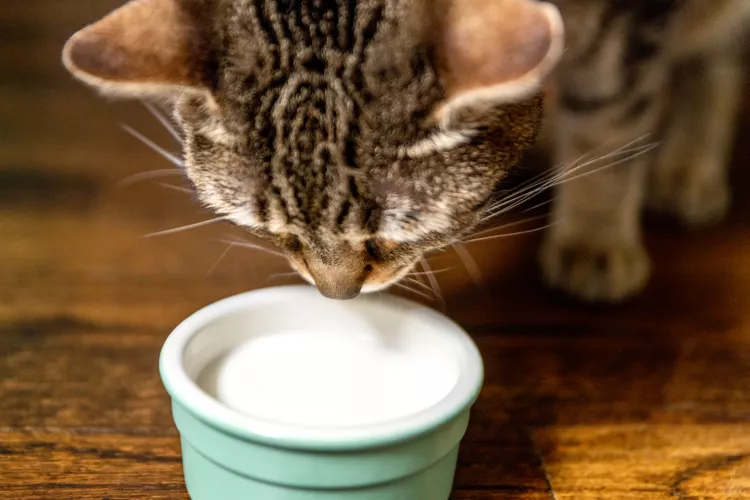
Can cats have milk? Although many people believe that milk is good for cats, the reality is that it's a myth. Unfortunately, milk is not the healthiest beverage for felines. In fact, it can cause a series of ailments, including an upset stomach, cramps, gas, and severe diarrhea. A large majority of cats are lactose intolerant and/or become dehydrated when they are fed cow's milk.

Learn more about the relationship between cats and milk.

Is It Safe to Give Cats Milk?

While your kitten may seem perfectly content lapping up a bowl of milk, it's not good for him or her. In many ways, milk can become your kitten's "comfort food" that is reminiscent of their mother's milk. However, being a good kitten parent means not making this a part of your feline's regular diet.

No matter how you cut it, milk does not contain the essential nutrients cats need to grow. Too much milk can even displace their appetites for meat-based diets and cause nutritionally-deficient diseases. Additionally, one of the most common reasons milk isn't recommended for adult cats is that many of them have problems digesting it.

Potential Side Effects From Milk

Most cats lack the enzyme lactase, which helps them digest the lactose in milk. When undigested, lactose makes its way through the cat's digestive system and takes in water from the intestines. Simply put, lactose can't pass through the intestinal wall into the bloodstream very easily. This can cause:

  • Diarrhea
  • Gas
  • Dehydration

Milk Alternatives for Cats

Instead of milk, simply give your cat what it really needs: clean water. Water is necessary on a regular basis to help cats stay hydrated. If your dog

Additionally, several lactose-free milk substitutes for cats have developed over the years, including CatSip and CatSure. CatSip is real Grade A milk from a dairy that's been specially developed to lessen the risk of digestive problems in cats. CatSure, on the other hand, is a definitive, balanced liquid nutritional meal that allows cats to make the best of their golden years. It includes high-quality protein and amino acids for healthy living and is made particularly for adult and senior cats.

FAQ
  • What liquids can cats drink?

    The best case scenario is that your cat is only drinking water, but there are milk alternatives out there specifically made for cats.

  • Why do cats love milk?

    Cats typically love the taste of milk because it is high in fat. But the high fat content can give your kitty an upset stomach.

  • What kind of milk is safe for cats?

    Talk to your veterinarian about cat-safe milks before feeding any to your cat. Each cat is different—for example, not all cats are lactose intolerant and may be able to drink cow's milk with few complications.

Related Posts

19.1K
1.9K
495

How Pinworms Affect Families and Pets

28.7K
287
66

What to Do When Your Cat Dies at Home

36.8K
2.2K
264

Can Cats Eat Corn? Here's What A Vet Thinks

47.1K
3.8K
640

Is Vitamin D Toxic to Dogs?

30.3K
2.4K
703

Lice in Dogs

18.5K
184
40

Gastritis in Dogs

15.9K
159
41

What to Do If Your Dog Has Eye Problems

11.4K
1K
460

Can Dogs Eat Squash? Here's What a A Vet Thinks

10.7K
746
320

Can Dogs Eat Asparagus?

3.5K
34
4

Can Dogs Eat Cantaloupe?

6.2K
558
100

Is Rosemary Safe for Dogs?

24.6K
2.2K
775

American Wirehair: Breed Profile, Characteristics & Care

10K
99
38

Ragdoll: Cat Breed Profile, Characteristics & Care

10.2K
710
113

Chausie: Cat Breed Profile, Characteristics & Care

18.9K
754
113

Cornish Rex: Cat Breed Profile, Characteristics & Care

46.5K
2.3K
1.1K

Scottish Terrier: Dog Breed Characteristics & Care

36.6K
2.6K
1.2K

Yakutian Laika: Dog Breed Characteristics & Care

26.1K
1.8K
256

How to Teach Your Dog to Play Dead in 4 Steps

40.3K
805
386

Training Deaf Puppies and Dogs

18.9K
565
203

Why Almost Any Dog Can Do Agility Training

-->
How Pinworms Affect Families and Pets
What to Do When Your Cat Dies at Home
Can Cats Eat Corn? Here's What A Vet Thinks
Is Vitamin D Toxic to Dogs?
Lice in Dogs
Gastritis in Dogs
What to Do If Your Dog Has Eye Problems
Can Dogs Eat Squash? Here's What a A Vet Thinks
Can Dogs Eat Asparagus?
Can Dogs Eat Cantaloupe?
Is Rosemary Safe for Dogs?
American Wirehair: Breed Profile, Characteristics & Care
Ragdoll: Cat Breed Profile, Characteristics & Care
Chausie: Cat Breed Profile, Characteristics & Care
Cornish Rex: Cat Breed Profile, Characteristics & Care
Scottish Terrier: Dog Breed Characteristics & Care
Yakutian Laika: Dog Breed Characteristics & Care
How to Teach Your Dog to Play Dead in 4 Steps
Training Deaf Puppies and Dogs
Why Almost Any Dog Can Do Agility Training
demonbane.top ©2026
  • Terms of Use
  • About Us
  • Privacy Policy